১০% ইনস্ট্যান্ট ক্যাশব্যাক পুরো জানুয়ারি মাসজুড়ে বই ও পণ্যে বিকাশে মাত্র ৬০০৳+ পেমেন্টে সর্বোচ্চ ১০০৳ পর্যন্ত! পুরো ক্যাম্পেইনে ক্যাশব্যাক পাবেন ১৫০৳ পর্যন্ত!*
আরো দেখুন
১০% ইনস্ট্যান্ট ক্যাশব্যাক পুরো জানুয়ারি মাসজুড়ে বই ও পণ্যে বিকাশে মাত্র ৬০০৳+ পেমেন্টে সর্বোচ্চ ১০০৳ পর্যন্ত! পুরো ক্যাম্পেইনে ক্যাশব্যাক পাবেন ১৫০৳ পর্যন্ত!*
অনলাইন বাণিজ্য মেলায় আপনার পছন্দের পণ্যে ৭৫% পর্যন্ত ছাড়! বছরের শুরুতেই সেরা ডিল, রকমারি অনলাইন বাণিজ্য মেলা, ২০২৬
বইটি বিদেশি প্রকাশনী বা সাপ্লাইয়ারের নিকট থেকে সংগ্রহ করে আনতে আমাদের ৩০ থেকে ৪০ কর্মদিবস সময় লেগে যেতে পারে।
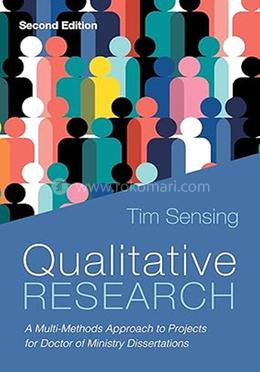
The second edition of Qualitative Research responds to the growing need in Doctor of Ministry programs for a textbook that guides students in Participatory Action Research, prospectus, and dissertation that reflect the recent trends in the discipline of practical theology. The Standards of Accreditation for the Commission on Accrediting of the Association of Theological Schools states, "The Doctor of Ministry is an advanced, professionally oriented degree that prepares people more deeply for religious leadership in congregations and other settings." Standard 5.3 states, "The Doctor of Ministry degree has clearly articulated student learning outcomes that are consistent with the school's mission and resources and address the following four areas: (a) advanced theological integration that helps graduates effectively engage their cultural context with theological acumen and critical thinking; (b) in-depth contextual competency that gives graduates the ability to identify, frame, and respond to crucial ministry issues; (c) leadership capacity that equips graduates to enhance their effectiveness as ministry leaders in their chosen settings; and (d) personal and spiritual maturity that enables graduates to reinvigorate and deepen their vocational calling." In accordance with the standards, Qualitative Research guides students through appropriate research methods to satisfy the objectives of the degree in order to enhance ministerial leadership for the transformation of communities of practice.

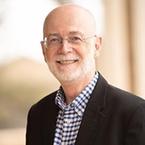
Tim is the Associate Dean and Professor of Homiletics at the Graduate School of Theology, Abilene Christian University. Tim is widely known for his work with research methodologies for Doctor of Ministry programs where he has taught participatory action research at ACU for twenty-two years. Tim sees preaching as testifying for God that transforms communities into the image of Christ. Five categories that explicate how Tim sees theology are Fellowship: A Communal Practice (Trinitarian both in creation and eschaton); Reason: A Critical Practice; Sanctification: A Transformative Practice (Participatory in the life of God and the Spirit); Contextual: An Embodied Practice (Incarnational throughout both God’s actions and revelation); Ministry & Witness: A Public Practice (Influencing the marketplace. Recognizing that theology affects practice and practice affects theology subsequently having public consequences. A priestly ministry that encourages and cares for people as you mediate the presence of God to others. A prophetic ministry that proleptically imagines the past glory of God and God's people into the future by changing the present.)